Hi, I'm Dave.

Strategic Product Design · TU Delft · AHO Oslo

An empathetic and adaptable designer with one simple goal: to evoke joy and connect people through design.

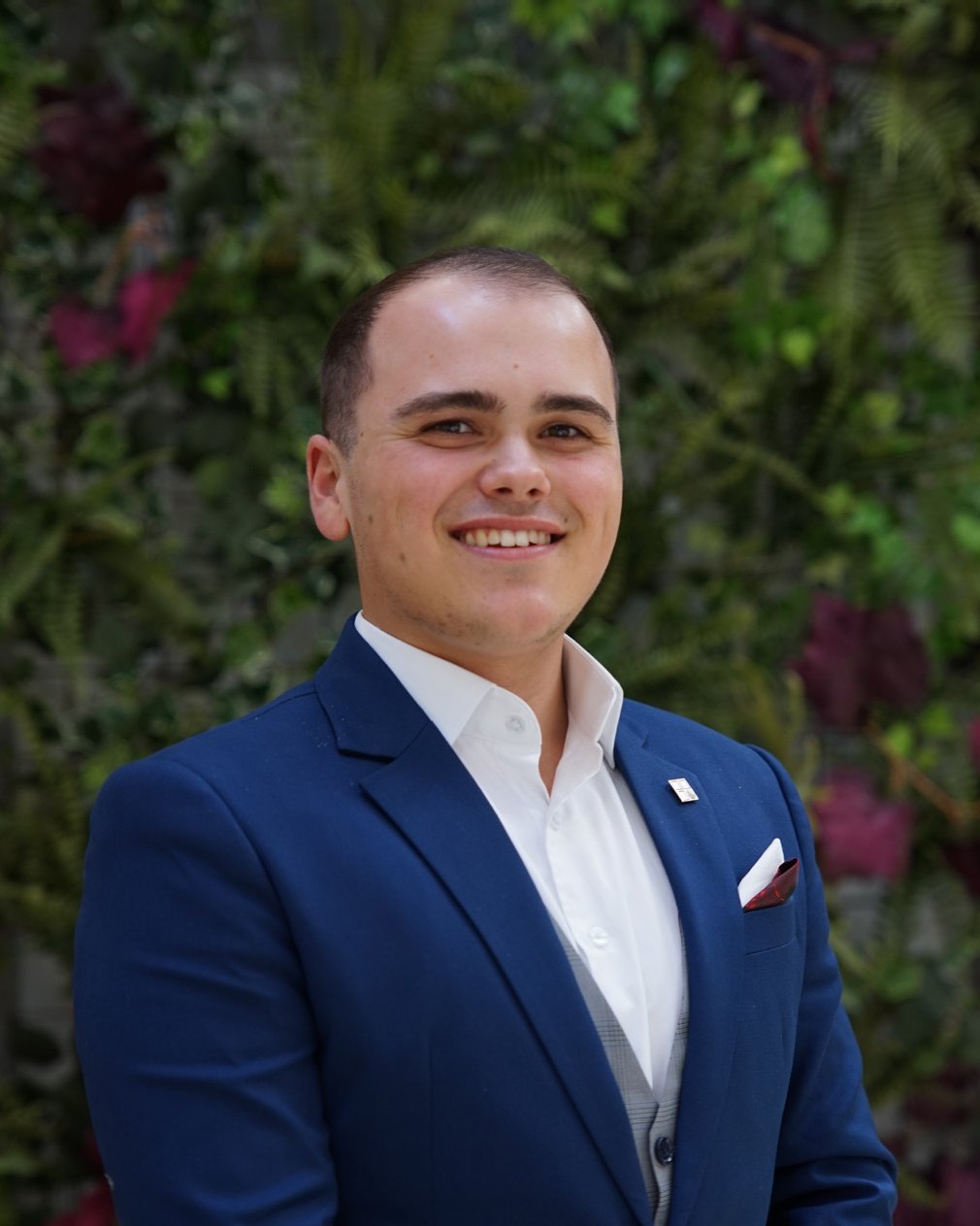
Dave, smiling, in a blue blazer in front of a wall of plants

Walk through my day

Take your phone along and try my projects yourself.

Best with sound on

Or browse all projects

Highlighted projects

See all projects

About me

I'm an empathetic, adaptable and creative designer who aims to evoke joy and make experiences people never forget. I put people's experiences at the centre of how I design products, processes, environments and strategies, and I gather insights the direct, human way: interviews and guerrilla testing.

Making people happy energises me. That's why I love the realisation part of a project, where every interaction with the design is considered and perfected, through multi-sensory design, interactive materials, electronics and smart systems. To me, that is where experience design goes further than UX: beyond digital interfaces, into physical, interactive spaces.

I'm a real team player who keeps a positive attitude, stays calm under pressure and turns thoughts into action. Next to my studies I interned at Next Nature and spent a year on the board of study association Lucid.
Let's talk.

A project, a question, or just to say hi: I'd love to hear from you.

Home Walk through my day

Projects

Dave van Zon Contact

The whole day

Eyes closed. Your alarm is going off.

7 BAKKER CAFÉ

Your meeting starts in five minutes, and you're nowhere near a desk.

Mouse Out of the House

A message: would you know what to do in an emergency?

A more resilient Netherlands

Lunch. When does everything go in the pan?

Cooking Sonification

Your parcel is somewhere in that van.

PostNL
123456
SKAPERFESTIVALEN
PASS IT ON

An afternoon festival for makers, full of kids and one claw machine.

The prize isn't a plush toy, but a note from a stranger.

Read about Pass It On

You arrive at a museum.

At the entrance, they hand you something.

Shift change at the care home.

ActiVite

Board year at study association Industrial Design Lucid

A board year
2022 – 2023

Dinner for 200. One seat is still empty.

IDSymposium

Friends are over, and everyone wants different music.

Usually one person just takes over the speaker.

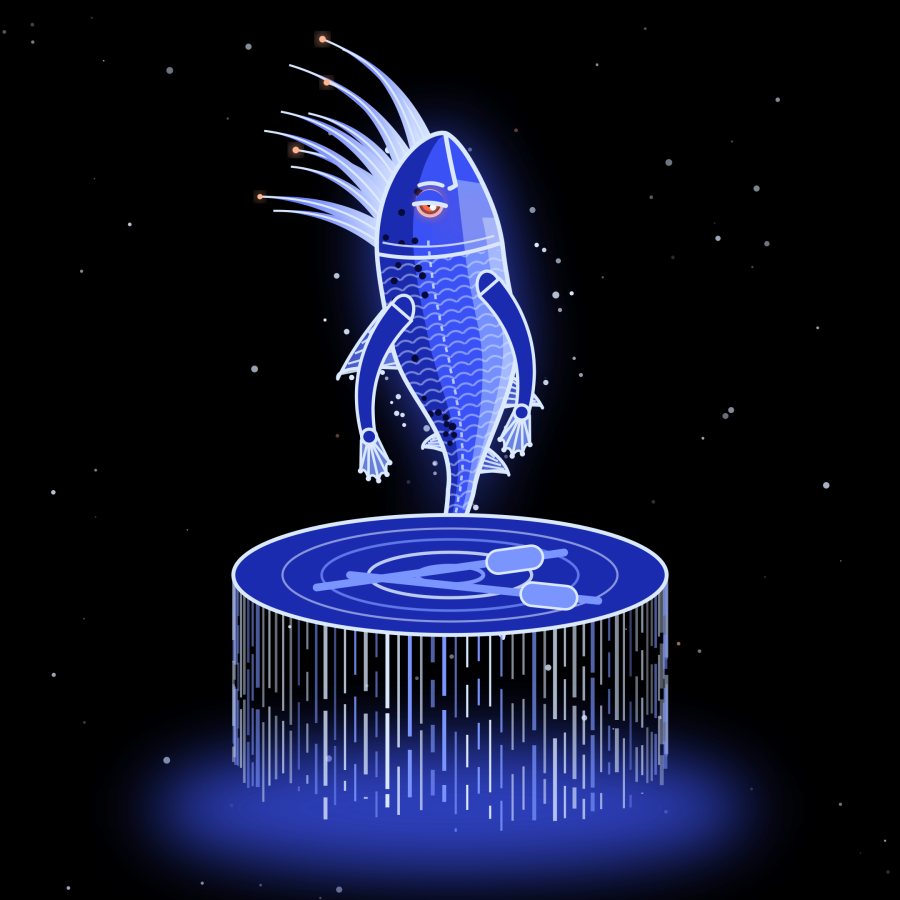
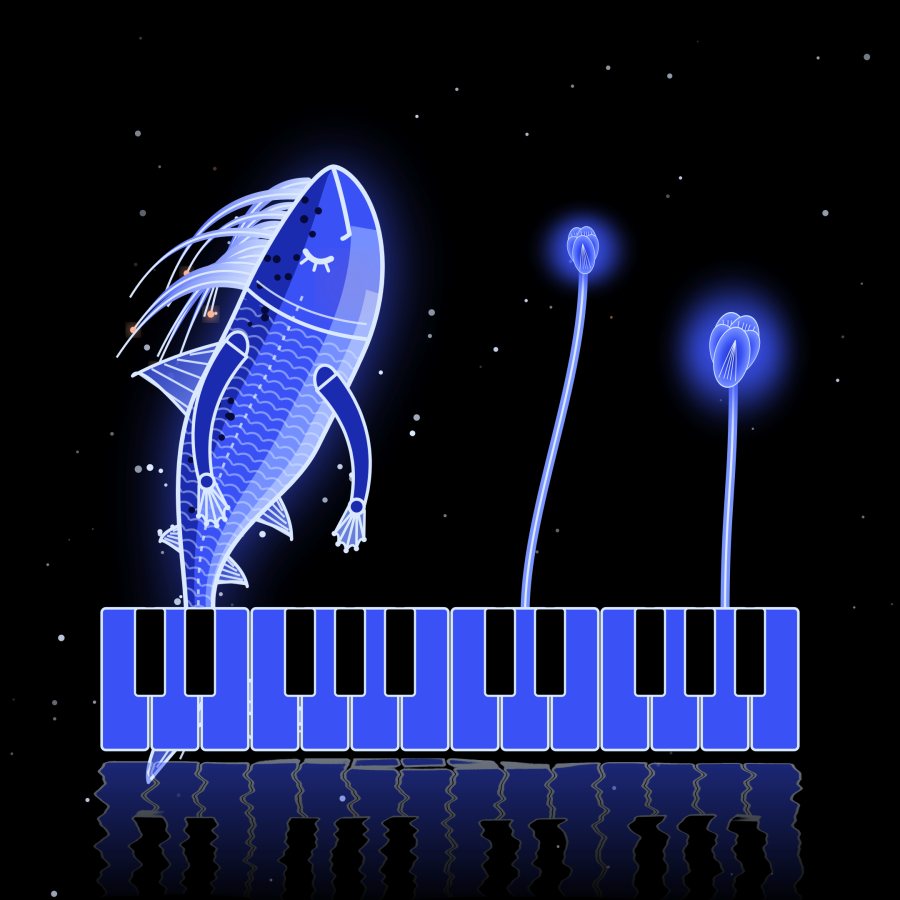
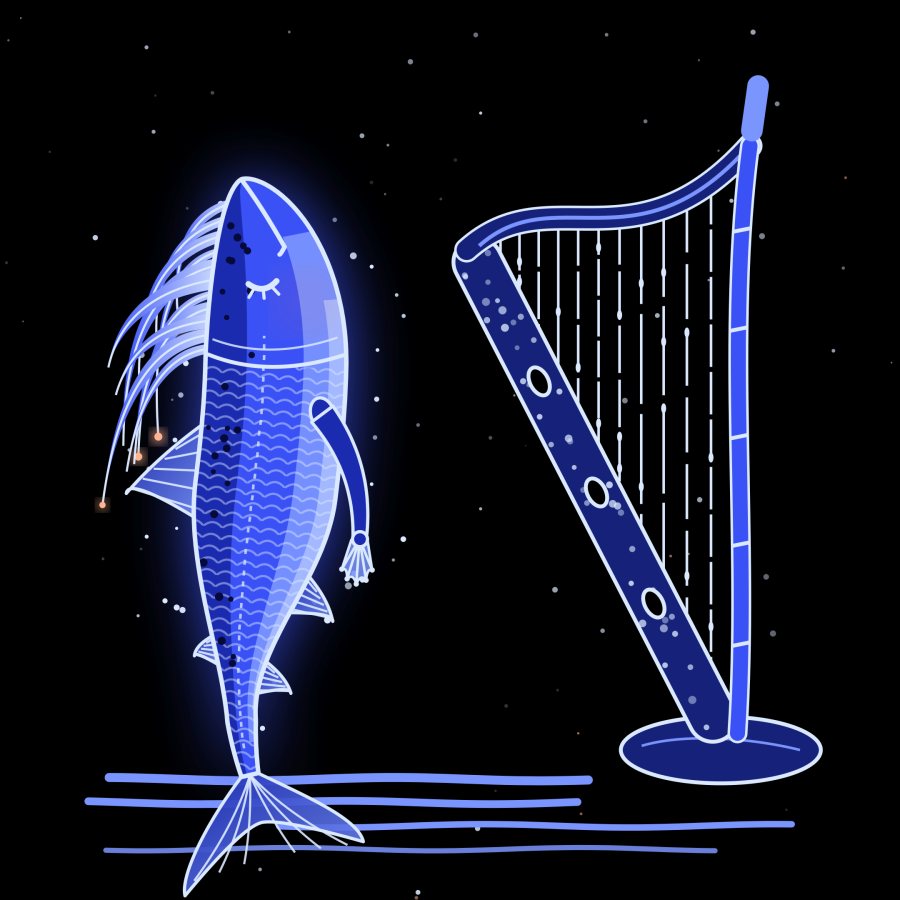
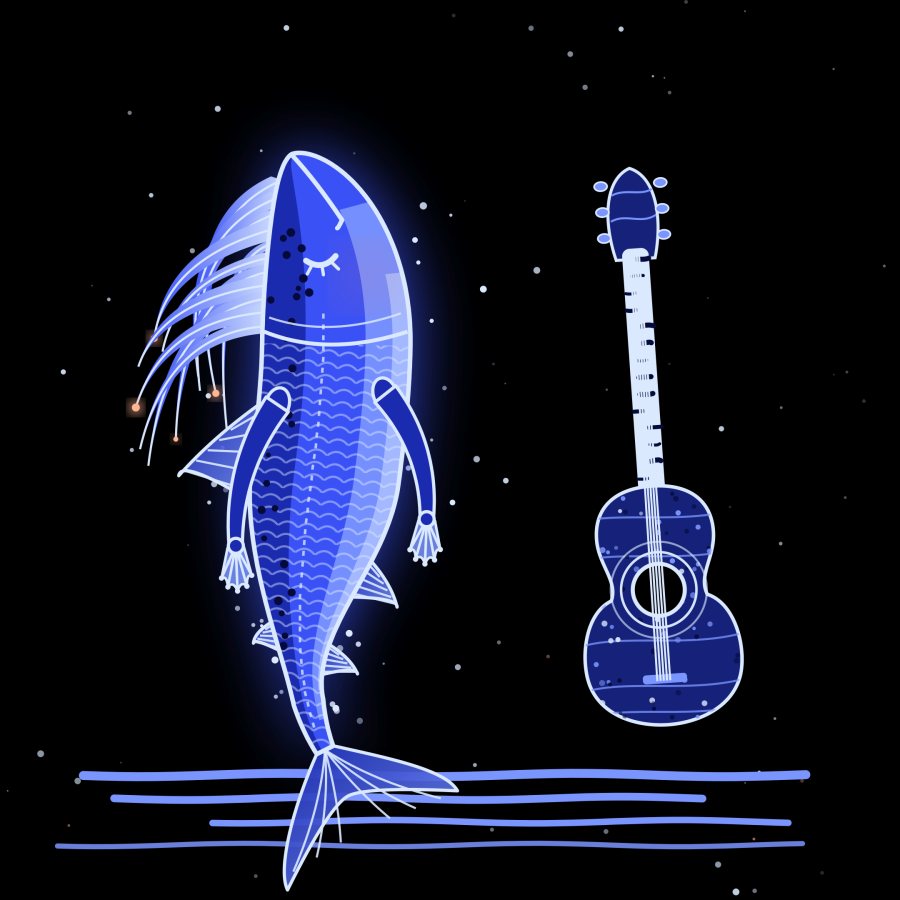
A salmon with a guitar A salmon on a drum A salmon at a piano A salmon with a harp

The salmon stop at the waterfall. So does their band.

Four musicians, silent until someone wakes them.

Further along, light cuts through the smoke.

Conduct light installation

Biking home in the dark.

Curious what tomorrow will bring me...

Got something people should experience? Let's talk.

LinkedIn

Atempo

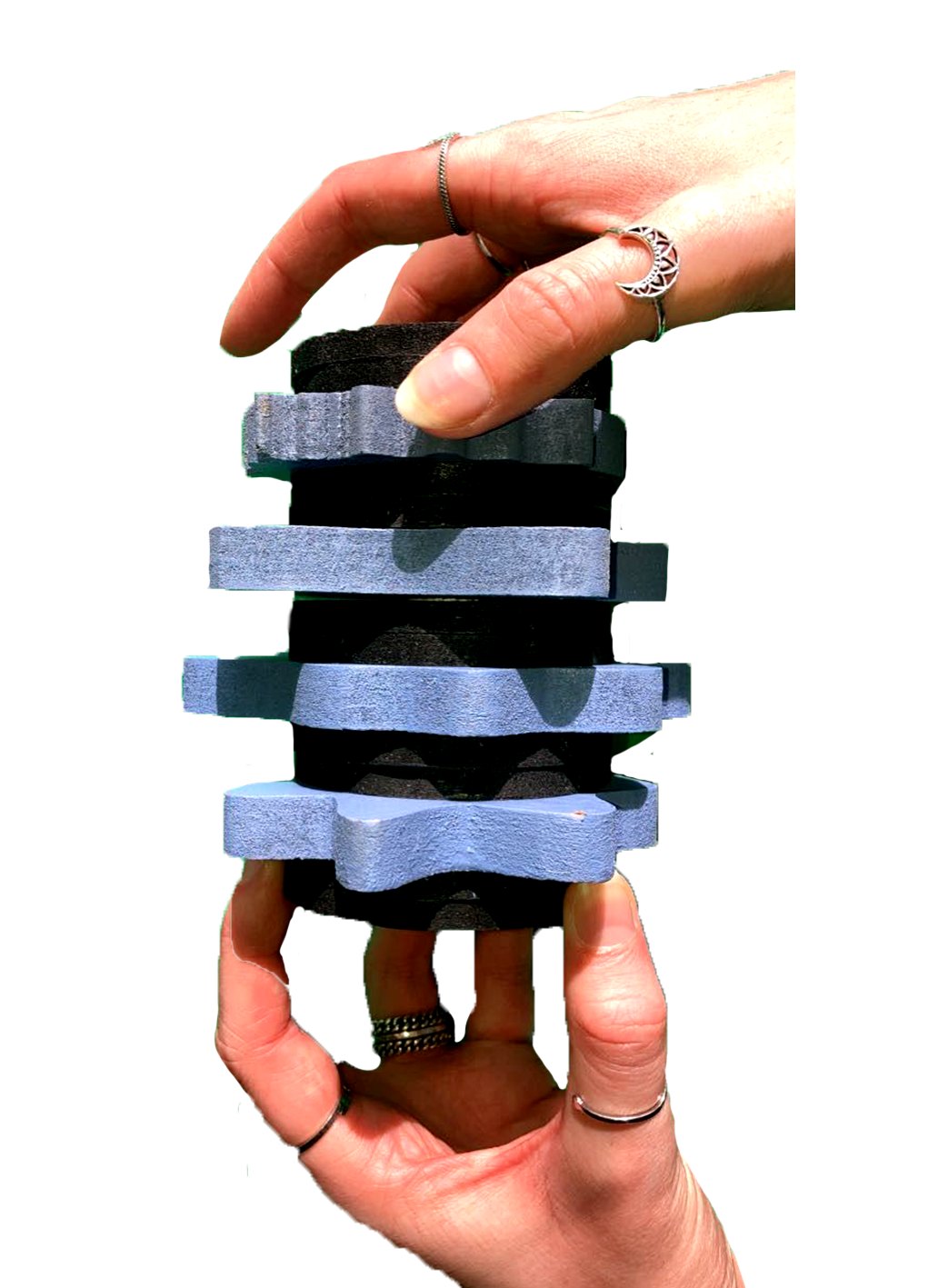
Experience a new way to wake up. Your alarm plays a distorted song, and you bring it back into harmony by turning the rings. Once the song is right, the alarm stops.

Aesthetics of Interaction · TU/e · 10 weeks · team of 5 · 2022

Hands turning the four stacked blue rings of the Atempo prototype The stack of four rings, each with its own shape

The idea

With Atempo, we re-imagined the waking-up experience: not just what an alarm does, but how it feels. Instead of a beep you silence, this alarm is turned off by tuning a distorted song back into harmony, ring by ring.

Process

Every round of iterating kept what mattered and dropped the rest, until only the turning was left.

The first iteration: an alarm clock set by pulling paper numbers
Iteration 1: you set the alarm by pulling paper numbers.
The furry monster alarm with an iris gear as its eye
Iteration 2: a furry wake-up friend you pet to set the alarm, and turn off with a physical throwing interaction.
Three ring shapes in different materials
Material exploration: finding the right feel for the rings.

The design

Four rings in one material, each with its own shape and feel. Every turn answers in your hand and in the song, so waking up becomes something you do, not something that happens to you.

My part

By designing the sound, from the distorted song to how each ring brings its part back, I gained a feel for rich, sensory interaction, and for letting experience prototypes steer the design.

The waving helmet

You found it. A red helmet with a waving hand on top, for saying hi to everyone you pass on your bike.

Interaction Design – Explore · AHO Oslo · 2 weeks · 2026 · with Stener Vaagland

Pointing the way.

The idea

Vinkehånd-hjelmen: a hand on top of your bike helmet that waves at the people you pass, points where you're going, and dances. We made two that move in sync, for Critical Mass, the big bike parade through Oslo.

Waving hello.
Dave on a street in Oslo, wearing the helmet with the hand pointing straight up
The control board strapped to a bike's handlebars: a micro:bit and a grid of buttons labelled steering, compass, dance, high-five, robot and beat
The control board, run by a micro:bit.
Both helmets side by side in the AHO workshop, hands raised

My part

By coding the micro:bits, linking the two helmets and making the control board, I gained hands-on experience with wireless electronics and getting things to move in sync.

Mouse Out of the House

A way to meet and join online meetings from anywhere. A secure connection, wifi and AI features come with people's own personal hardware, starting with a mouse.

Strategic Design Studio · TU Delft · 15 weeks · team of 5 · 2025

A concept render of a dark grey mouse with red details
Concept render, AI-generated.

Process

For this project, we worked for an international technology company that makes hardware for meetings. The question was how to make meetings more efficient while keeping people engaged. We interviewed and tested with Gen Z about hybrid meetings, and meetings in general. They want to work from anywhere, have too many meetings, and find hybrid ones hard to stay involved in.

A line drawing of someone working in a cafe with a glowing mouse A line drawing of someone working at a station with a glowing mouse A line drawing of someone working in a forest with a glowing mouse
Working from anywhere. AI-generated.

The concept

Secure AI features that come with your own hardware. It starts with a mouse: something most people already have, and want. From there it grows step by step: a collaboration with Microsoft Teams, AI in the app before, during and after a meeting, the mouse with its own safe wifi, and later a whole family of "Friends of the Mouse".

The strategic product roadmap, from a Teams collaboration to a family of personal devices
The roadmap.
A concept of matching headphones A concept of a matching speaker A concept of a matching camera A concept of a matching soundbar
Friends of the Mouse. AI-generated.

My part

By focusing on how software and hardware work together, the app interface and the roadmap, I gained a sense for planning in small, achievable steps that get a real company's stakeholders on board.

A more resilient Netherlands

How do we make the Netherlands resilient? A roadmap towards 2034 for the people who completed the Nationale Weerbaarheidstraining (Dutch national resilience training): how they keep growing, and help build resilient, connected communities.

Foresight and Backcasting · TU Delft · 10 weeks · team of 6 · 2025

The top of the roadmap: Creating resilience in the Netherlands, with three horizons towards 2034 and the future vision
The top of the roadmap: from 2026 to a future vision ten years ahead.

Process

For this project, we worked for the Dutch Ministry of Defence. We looked at technological and societal trends and at what reservists value, came up with ideas for new technologies and services, and placed them on a timeline towards 2034.

The concept

We mapped out three horizons, from initial participant profiling, to personalised community archetypes, to a self-sustaining national network that removes the bystander effect and promotes resilience among civilians.

The three horizons: connecting to NWT, connecting NWT to society, and a self-sustaining NWT ecosystem

My part

By bringing our vision to life as an AR prototype, where each region of a printed map shows its community when you point a phone at it, I gained experience in designing for AR, and in turning a future vision into something people can try today.

The printed map of the Netherlands that the AR prototype recognises Through the phone: Breda's community, its engagement, strengths and area leaders Through the phone: recent events and workshops in Breda Through the phone: stories from reservists in Groningen Through the phone: live images from a crisis in Heerenveen
The printed map, and what it shows through the phone.

Cooking Sonification

Can sonification help home cooks time their ingredients? We tested it with real home cooks: it does improve timing, though the form we tested may not be the clearest way to give instructions.

Research project · TU/e · 20 weeks · team of 4 · 2022

Sound on: each speaker plays one part of the song.

The idea

Each pan gets a speaker, and each speaker plays one part of a song: drums, guitar or voice. When a pan needs attention, its part plays louder. When it plays softer, that pan is going too slow and needs more heat.

The research prototype: a speaker in a laser-cut wooden case The back of the speaker case, engraved with A Smart Homies Product
The research prototype.

Process

Eight home cooks each cooked a three-pan dish twice: once as they normally would, and once with the speakers. We timed every pan, and interviewed them after each session.

A cook stirring vegetables in a wok, with a speaker next to the pan Speakers next to the pans on the stove during a test

Result

7 of 8 cooks finished closer to the recipe's time, and 7 of 8 were happier with their timing. But the sound wasn't always clear: cooks heard the change, yet often didn't know which pan it came from, or what to do.

Our team next to our setup at Demo Day The project set up at Demo Day: a stove with pans, speakers and posters
Demo Day.

My part

By preparing the music, helping build the speakers, running the cooking sessions and making the video, I gained experience in designing an artefact that collects the right data, and in setting up user tests that give useful answers.

PostNL

A mockup app that shows delivery staff the order of the packages in their bag, so they don't have to sort them by hand.

Design case · TU/e · 2 weeks · with Niels Horrevoets · 2023

Pitching on stage, with a slide of a parcel's journey from order to front door

The idea

Scan your bag with your phone, and an AR overlay shows which package to take out first.

A delivery bag full of packages, numbered in the order they will be delivered The same bag, with the overlay pointing out the next package: take this
Scan the bag, and the app shows the order.
Brainstorm sketches around package recognition: AR scanning, labelling, a bag organiser A sketch of a parcel's journey, from the web shop to the front door
Brainstorm, and a parcel's journey.

The pitch

A playful presentation: chocolate letters played the parcels, and we handed them out at the end.

The two of us on stage at the ID Connect event Scanning a delivery bag with the app during the pitch

My part

By making the app prototype fast, for a company that rarely works with designers, I gained a sense of how much a quick, tangible prototype can convince a client.

Pass It On

What if the prize in a claw machine wasn't a plush toy, but a note from the person who played before you?

Interaction Design – Explore · AHO Oslo · 3 weeks · solo project · 2026

The idea

When you win, a real ball rolls out with a note from a stranger inside. You keep the note, write one for the next player, and drop the ball back in. There's only one real ball: a game you can only win by giving something back.

Process

Built from parts I already had: an old iMac, a trackball, foot pedals and a salvaged lever, with micro:bits driving the servos. Four rounds of testing with classmates shaped the game.

The wooden cabinet during the build, before the screen went in The micro:bits and wiring inside the machine, lit in blue The salvaged switch box that became the lever The Logitech trackball

At the festival

At Skaperfestivalen in Oslo it came to life: kids and adults writing notes for each other.

The finished cabinet from the front, with its painted signs
A boy writing a note at the machine A pile of colourful handwritten notes left by visitors
Children and adults gathered around the machine at the festival

Takeaway

By testing early and often with real people, and using Claude as a sparring partner for the code and laser files, I gained the confidence to make a lot in a short time, while the ideas stayed mine.

How I built it, on Instructables

Ecim's Island

You found it. A couch party game for up to four players on one keyboard: pick your ecim, explore a foggy island together, and find the hidden minigames to become a true Ecim.

Creative Technologies · AHO Oslo · 1 week · solo project · 2026

Five ecims, rabbit-like creatures in red, white, purple, orange and green, in front of a mountain

The game

Ecims are rodent-like creatures, each shaped by their part of the island: the rift, the fog land, or the top of the mountain. You wander the island together and find four hidden minigames: drums, flying, a maze and a mine. Each one earns points, and a ceremony at the end crowns the true Ecim.

The island seen from above, a grey mountain surrounded by trees Players on a snowy mountain top Ecims running up a sandy hill Ecims flying through a dark sky
On the island.
The game on a laptop with a keyboard, the poster on the pillar behind it The Ecim's Island poster, with how to play and each player's keys
At the exhibition, with its poster.

Takeaway

By making it on my own in Unity, from the characters to the four minigames, I gained experience in building a complete game world, and in designing for several people playing together on one screen.

Ketelpong

A life-sized game for Ketelhuisplein in Eindhoven, made to bring people in a young, fast-growing neighbourhood together through play and sport.

Designing for PSV · TU/e · 10 weeks · team of 5 · 2022

Four black 3D-printed cups on a board, lit up blue and orange, with a ping pong ball between them

The idea

The brief: get the people of Strijp-S moving and meeting each other on their central square. Our answer: cups that light up blue or orange, one colour per team. Get a ball into one of yours and its light goes out, and the first team with all its lights out wins. We built it as a working scale prototype.

The prototype from above: four cups, two glowing blue and two orange
The scale prototype.
Ketelhuisplein: a green square surrounded by apartment buildings and old factory halls
Ketelhuisplein.
The first test with red plastic cups and a sensor The 3D model of a cup and its holder A render of a cup set in the ground with a glowing ring
From plastic cups to a 3D model.

My part

By making the prototype, 3D-printed cups that click into their holders with a sensor and lights inside, I gained hands-on experience in 3D modelling, printing and electronics.

ActiVite

ActiVite runs nursing homes and home care in South Holland. Dementia care there is getting more complex, while fewer people work in it. They asked us how technology could take work off their caregivers' hands.

Tech-enabled Innovation Studio · TU Delft · 20 weeks · team of 5 · 2026

A drawing of a care home cut open: a resident asleep, caregivers at a tablet, a door alarm and a nurses' office, connected by dotted lines
One care home, many systems. We connected them.

What we found

We followed a caregiver through a full day shift, visited a second home that already runs on smart monitoring, interviewed staff and family, and ran a co-creation session with nurses and caregivers. The problem wasn't a lack of technology. At every shift change, the nurses and the caregivers each give a handover, but never to each other, and the handwritten notes are thrown away at the end of the day.

Two nurses passing a clipboard, and next to them two caregivers doing the same, separately
Two handovers, side by side, never meeting.

What we made

A handover you just speak. Nurse and caregiver each record their part, AI merges the two, and everyone starts their shift with one overview that only flags what changed per resident. Alarms and the care record are linked too, so an alarm becomes part of the resident's story instead of disappearing. It all runs on the systems the home already uses, and supports the caregiver's judgement rather than replacing it. At the final presentation, the client was enthusiastic.

Prototype: choose your role to start the handover Prototype: one button to record your handover Prototype: the shift overview, with residents marked Let op or Stabiel
The handover prototype.

My part

By leading most of the user research, from interviews to the co-creation session, and designing how the new tech systems connect, I gained the patience to find the real problem before jumping to technology, and a feel for where AI helps and where human judgement has to stay.

Students from all three teams with ActiVite staff, in front of the care home
The site visit, with all three teams.

A board year

A full year on the board of s.v.i.d. Lucid, the study association for Industrial Design at TU/e, with over 1,000 members and 150+ activities a year. I was Commissioner of Internal Affairs, and Commissioner of Bar.

s.v.i.d. Lucid · TU/e · 1 year · board of 6 · 2022–2023

The six board members of Lucid in matching blue suits, in an old industrial hall

Internal Affairs

I looked after what members need, and kept 20+ committees in line with Lucid's vision, through a lot of personal contact. Interviews and surveys showed where we could do better. I organised a committee market, and built a web page that explains every committee role.

The board on stage in front of a full room during a Lucid event A big group of Lucid members in the snow on a ski trip
What is Lucid? A video I made for the association.

Bar

Next to the board, I was part of the bar management team: keeping the bar running, organising themed drinks and music nights, guiding the bartenders and keeping the books. I also negotiated a new beer contract that lowered drink prices and made bigger events possible.

Dave behind the bar, smiling at the tap Members playing a board game at the bar Bartenders dressed up for a themed night
A packed bar night, with members dancing under coloured lights

Takeaway

By leading 20+ committees and a busy bar alongside five other board members, I grew in managing people, communicating clearly, making decisions under pressure and standing up for my ideas.

The symposium we organised that year

IDSymposium

"The Power of Industrial Design": a symposium we organised with the Faculty of Industrial Design, to show students where their skills can take them.

with the Faculty of Industrial Design · TU/e · 15 weeks · board of 6 · 2023

A packed hall at The Kazerne, with long tables full of students

The event

Five alumni on stage, four skill-building workshops, a three-course dinner for 200 with alumni and companies, and a networking drink to close the day.

An alumnus speaking on stage in front of a full room A workshop, with students listening to a speaker
Alumni talks and workshops.
Long dinner tables with candles, full of guests Guests at dinner, with a table card about the power of storytelling Silhouettes of guests at standing tables in pink light during the networking drink
Dinner for 200, and drinks to close.
The aftermovie.

My part

By securing the location with The Kazerne in Eindhoven and putting the programme together, from the alumni panel to four workshops and a day host, I gained experience in working with external partners and keeping many people on the same page.

The organisation team in blue suits with name badges, in front of a brick building
The organisation.

Beatbond

A tangible, social music player that brings back listening together. Four discs, one for everyone: add your own music from Spotify, then decide together what plays.

Final Bachelor Project · TU/e · 20 weeks · solo project · 2024

The finished beige Beatbond player on a wooden table, with black discs pulled out and coasters beside it

How it works

Everyone takes a disc and lays their fingers on it, and five of their Spotify playlists appear on the screen. Pick one, push the disc back in like a CD, and press "Let's jam". Songs from everyone go into one queue, with no phones needed. Skipping only works when everyone presses at once, so nobody can skip your favourite.

The player seen from above, with a green playlist screen The player seen from above, with a pink song screen
Beatbond in use.

Why

Streaming made listening something we mostly do alone. When we do listen together, one person usually takes over the speaker.

Process

In a Magic Machine workshop, people built their own cardboard music players, which shaped the form and the interaction. From 3D prints and foam, I worked towards a wooden box with four 3D-printed discs, touch sensors, LEDs and a touchscreen.

An overview of the Magic Machine workshop, with cardboard prototypes made by participants
The Magic Machine workshop.
Eight iterations of the player: a record player for reference, a 3D model, wooden, black and white versions, and the final painted box
From a record player to the final box.
A wiring diagram: a Raspberry Pi with a touchscreen, touch sensors and LEDs for each disc The screens of the player in each disc's colour: welcome, choose a playlist, and now playing
The electronics, and the screens.

Result

I tested it with three friends and a family of three. Music moved from the background to the centre of the room, and people started talking about why they chose their songs. All six said it made listening more of a shared thing, though it also got more hectic, with some tension over skipping.

The finished player with a can of cola on one of the wooden coasters, and more coasters in a stand A hand on a disc, the screen lit up pink The screen lit up green, showing the album playing
The wooden discs double as coasters, and the screen lights up in each disc's colour.

Takeaway

By building a working player that connects to live services, I gained experience in bringing software, electronics and physical form together into one product, and saw how much a tangible object can change the way people share music.

The Salmons

An interactive projection-mapped experience for Elvelangs, a festival along the river in Oslo: four salmon musicians on a wall, who start to play when you shake a paddle.

Interaction Design – Explore · AHO Oslo · 3 weeks · 2026 · with Asma Al-Sahli

How it works

Four paddles lie on a table in front of the wall. Shake one and its musician starts to play, and with all four you hear the full band. A button changes the song, and anyone can sing along. Salmon swimming up the river rest at the waterfall, so that's where their band plays.

The festival courtyard at night, with the lit wall behind the trees by the river Visitors dancing with paddles in front of the projected band People watching the salmon band on the wall
At Elvelangs.

Process

AI was part of the brief: it wrote the code with us, including our own projection-mapping software, which ran the wall at the festival.

A first salmon projected on a studio wall, with the start screen on a monitor The full setup in the studio: four salmon on the wall and the paddles on a table Testing the projection on the courtyard wall at dusk
Mapping the wall, in the studio and on site.
The salmon guitarist The salmon drummer The salmon pianist The salmon harpist
The band.

My part

By focusing on the making, the code, the projection mapping and the micro:bits in the paddles, while Asma designed the visuals and the paddles, I gained experience in turning an idea into working software fast, with AI as a building partner.

AHO pub visuals

You found it. Halloween visuals for a night at the AHO pub: a row of screens and projections that moved with the music, played live from a phone.

AHO pub · AHO Oslo · 1 week · with Stener Vaagland · 2026

Spot the waving helmet, its arm moving to the beat.

What we made

Seventeen Halloween scenes, from dancing skeletons to a hypnotising spiral, that react to the music, mostly the bass. The DJ sets were linked in, so every scene knew the tempo of each song. All of it ran from one phone: calm at the start of the evening, wilder as the room got going.

A row of old iMacs showing dancing white skeletons The same screens showing an anatomy scene, a tunnel and a spiral
People in the pub, with green projections on the wall behind them The control panel on the phone: the seventeen scenes and which are in rotation
The night, and the phone that ran it.
The vibe.

Conduct light installation

A giant peep box for Conduct, Lucid's festival: a garden wrapped in black, where small holes let you peek in at the plants, lit up by lasers, light and sound.

Conduct festival · s.v.i.d. Lucid · 4 weeks · with David Vroegindeweij · 2024

Sound on: from outside to inside.

The idea

A peep box is a small box you look into. We made one you could walk around: a plant bed on the festival grounds, wrapped in black plastic, with holes at eye height. Peek through one, and the plants inside come alive with lasers, projectors and sound.

Visitors bending down to peek through holes in the black wall A visitor peeking into the installation A volunteer in a high-visibility vest peeking in Two visitors crouching to look through the lower holes
Outside.
Plants lit up in purple and orange Blue and yellow light over the grasses
Beams of white light cutting through smoke over the plants Green laser lines across the dark
Inside.

My part

By designing and building it with David, from the box to the lights, lasers and sound, I gained a sense of how much atmosphere and curiosity can carry an experience built around one simple action.

Dave inside the installation, adjusting the setup, with David in the foreground
Building it, inside the box.

The Ball

An interactive museum experience for the Evoluon, built around one object: a ball you carry with you, and use to interact with the exhibitions through light and sound.

University project + internship · TU/e · 20 + 20 weeks · team of 4, then solo · 2023–2024

A visitor holding the glowing ball at an arcade cabinet in the exhibition

The experience

Pick up the ball, carry it through the expo, and place it on a holder at an exhibition. The ball lights up and plays sound, while the exhibition responds with its own image.

Where it started

As a university project, Next Nature asked us to design a new museum visit for the Evoluon, starting with how visitors are welcomed in. User testing showed that a simple ball felt more mysterious and playful than any screen. At our demo, it lit up behind a curtain and talked to visitors, its voice played by hand.

The Evoluon building in Eindhoven
The striped ball from the university project, glowing blue in the dark Making the ball for the university project
The inside of the university prototype, lit up blue
The university project.

Making it real

During my internship at Next Nature, I turned the demo into a working prototype. Talking turned out too unreliable for a busy museum, so I designed for light and sound instead.

Inside is a 3D-printed skeleton with an Arduino, six LED rings, a speaker, an RFID reader and a rechargeable battery, in a shell with holes so the sound comes through clearly. I tested its look and sound with the team and volunteers, who helped choose its purple colour and its voice.

The 3D model of the frame inside the shell
The opened ball with its electronics, the LED rings glowing green A close-up of the frame with a glowing blue LED ring
The ball glowing green in the exhibition The ball glowing blue in the exhibition A visitor with the blue ball at the arcade cabinet
The ball changes colour and animates to match each exhibition.

Outcome

A working prototype, handed over to Next Nature for their upcoming exhibition. By taking it from demo to working prototype, I gained hands-on experience in 3D printing and electronics, and found a name for what I want to do: experience design.

The finished ball glowing blue in the dark

ReCycle

Nearly half of cyclists aged 15–25 ride without lights at night. ReCycle puts machines around the city: pick up a light, and swap it for a charged one when it's empty.

Project 1 · Interactive Lighting · TU/e · 20 weeks · team of 4 · 2021

How it works

Your light got stolen, the shops are closed, and you still have to cycle home. At the station there's a ReCycle machine: scan the code, pay on your phone, and a slot opens with a charged light. The ring shape locks to your bike with your bike lock, and when you bring it back you only pay for the power you used.

The round ReCycle light glowing on a bicycle handlebar at dusk The white ReCycle machine
The light, and the machine that charges it.

The app

The machine has no screen: everything happens on your phone. Find a machine, see how many lights are left, pay, and return. It became a web app, so there's nothing to download, and it's dark, to be easy on the eyes at night.

The ReCycle home screen with round green buttons A map of Eindhoven with the machines The TU/e Campus machine, with five lights left Paying a three euro deposit The returned lights, with battery used and price

My part

By designing the app, from the first screen on the machine to the web app on your phone, I gained a feel for designing one part of a bigger service, with the whole experience in mind rather than a single product.